June 5, 2026
Most MSP owners make the same mistake. They call an all-hands meeting. They explain how something works. They answer a few questions. Then they assume everyone got it.
That's not how people learn. That's wishful thinking.
If you're expecting your team to remember your critical systems after one all-hands meeting, you're setting yourself up for dropped balls, frustrated clients, and operational risk you didn't see coming.
The problem is real. But the solution is simpler than you think. You need a system that pulls knowledge from your best people, engineers it into reproducible processes, and repeats it relentlessly. That's it.
Here's how to build it.
The Two-Meeting System
You need two separate meetings. Not one meeting that tries to do everything.
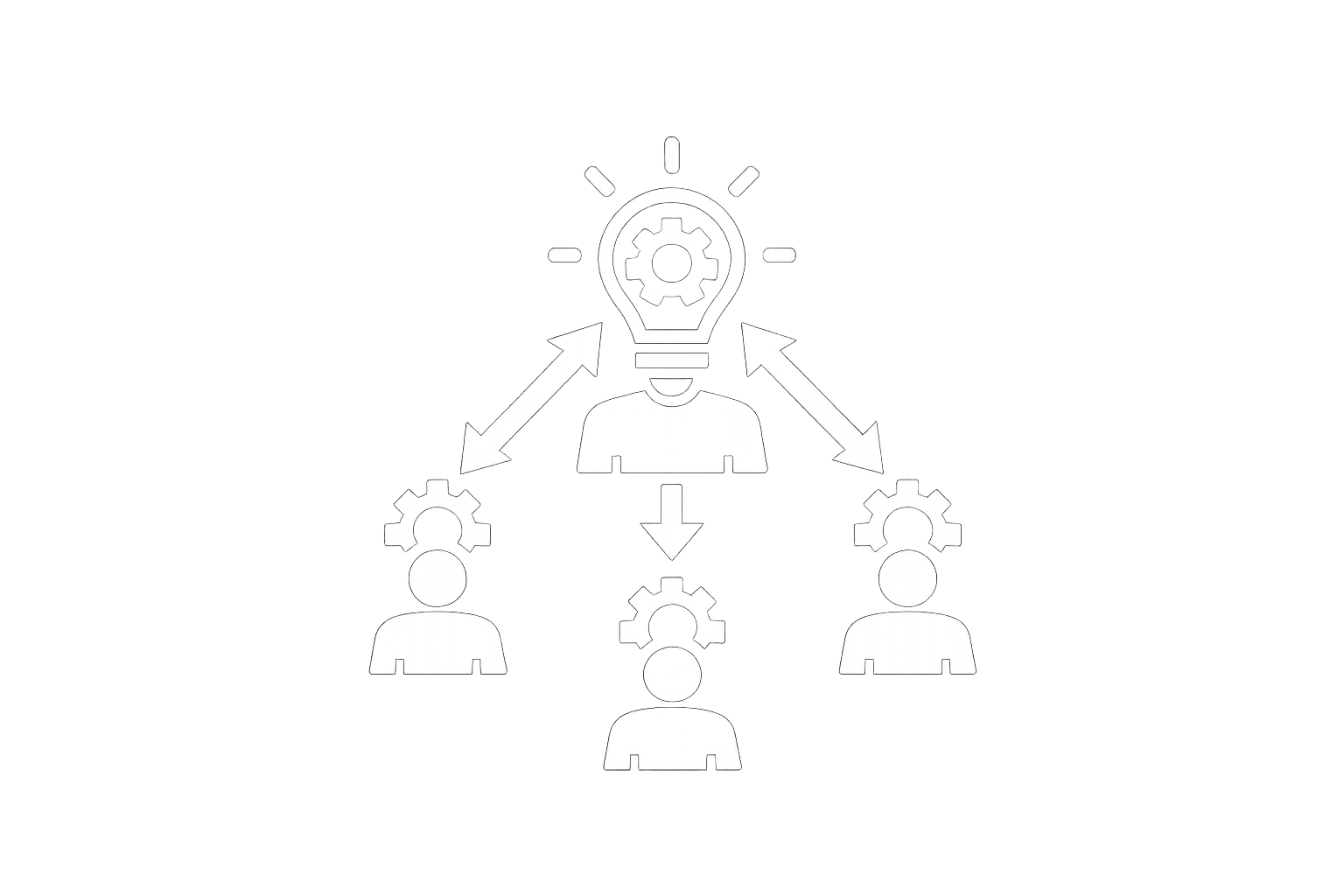
The first is an engineering meeting. This is where you pull knowledge out of your best people's heads. Weekly, 60 minutes, same small group. You're asking the questions that expose how things actually work. What's the process? Where do people get stuck? What changes based on the client? You whiteboard it first. Then one person documents it. By the end, you have something reproducible. This meeting is not for everyone. It's for your leadership team and the people who have built these systems.
The second is a training meeting. This is separate. Different cadence, different audience. This is where you take what you engineered in that first meeting and teach it to everyone else. You simplify it. You give your team context for why this matters. You build in time for questions. You repeat it.
These two meetings do different work. Don't try to jam them together.
Why Repetition Isn't the Problem. It's the Solution.
Here's something we know from how people actually learn: the first time you say something, people hear you. The third time, they start listening. The eleventh time, it starts to stick.
Most leaders apologize for repetition. They think they're boring people. What they're actually doing is giving up on the only delivery system that works.
The 11-time rule isn't a weakness. It's the reality. So lean into it.
You're not saying the same thing 11 times in the same way. You're covering the same information from different angles. You're teaching it in a training meeting. You're reinforcing it in standup. You're showing how it applies to a specific client situation. You're documenting it so people can reference it. You're modeling it when you make decisions. You're answering questions about it when they come up.
The information stays the same. The format changes. That's how it sticks.
If you stop repeating after the third mention because you think people got it, they didn't. Keep going.
How to Actually Run This
Start small. Pick one system. Your most mission-critical process. Something that happens every week. Something that breaks when people don't know it.
For the engineering meeting:
Weekly. 60 minutes. Same day, same time. Invite your leadership team and the person who built this system. One person is the documentarian. Their job is to capture decisions and process. Ask questions until you can explain it to someone who has never heard of it. Write it down. When you're done, you have a repeatable process. Not a 40-page manual. A clear, simple, repeatable process.
Run this for four weeks on one system. You'll have something solid.
For the team training meeting:
Now take what you engineered. Strip out the complexity. Explain why this matters to the team. Run through the process together. Answer questions. Don't move on until people understand it. Then schedule this again in two weeks. Same content. Different angle. Different questions might come up. Answer them. Then run it again in another two weeks.
You're aiming for that 11-time rule. Different meetings, same core information, building competency over time.
What Happens When You Do This
Competency grows because knowledge isn't random. It's systematic. Every new hire gets the same training. Every team member knows how critical workflows actually work. Decisions stay consistent. Risk exposure drops because everyone knows what they're supposed to be doing.
New hires onboard faster because the documentation exists. The training system exists. You don't have to figure out how to teach them. You hand them the documented processes and you run them through the training meetings you're already running.
Inconsistency drops. That's the real win. Inconsistency is what creates problems. When one person does it one way and another person does it differently, that's where mistakes hide.
Your Next Step
Start this month. Pick one system. Your most critical process. Run the two-meeting system for 90 days. One engineering meeting each week where you pull out knowledge and document it. One training meeting each week where you teach it to your team.
After 90 days, you'll see it. Your team will know this system. They'll handle it consistently. They'll be able to explain it to new people. That's when you pick the next system.
You're not building a training program all at once. You're building the rhythm and discipline of knowledge management. That rhythm compounds. After you've done this with three critical systems, your organization looks completely different.
Your people are more competent. They move faster. They make better decisions. Clients notice.
Start with one. The rest will follow.
Adam Kuester
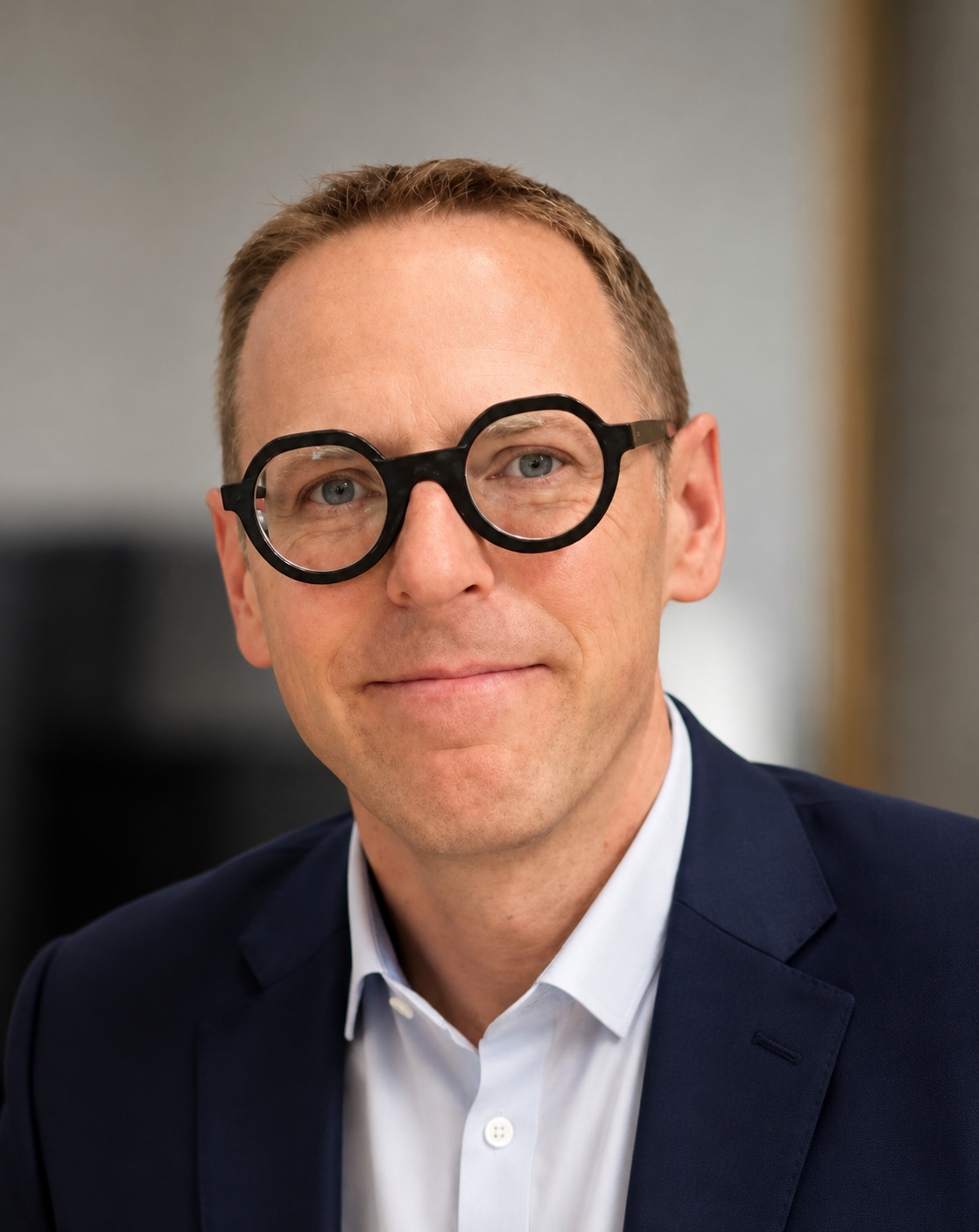
Adam Kuester has a PhD in genetics and a career built inside managed services, an unusual combination that shapes how he works. He spent time designing operations at an MSP before joining Bruce McCully to build Galactic Advisors, where he's served as VP of Special Projects. His focus has been operational: finding gaps, building systems, and turning expertise into tools MSP owners can use across a partner base of nearly 1,000 companies. Built to Run MSP is that same work in a different form, practical frameworks for MSP owners who are good at winning business and want to get equally good at running it.